
Are you tired of the visual clutter that seems to permeate modern living? Do you crave a sense of calm and order in your home, a sanctuary where your mind can truly rest? If so, you’re not alone. The pursuit of a minimalist home interior is more than just a trend; it’s a conscious choice to simplify, to curate, and to live with intention. But how do you move beyond the stereotype of sterile white boxes and achieve a space that is both aesthetically pleasing and deeply functional? Let’s dive into some nuanced design ideas for a minimalist home interior that truly foster peace and well-being.
Minimalism, at its heart, is about eliminating the superfluous to make room for what truly matters. It’s about intentionality in every choice, from the furniture you select to the artwork you display. This philosophy extends far beyond mere aesthetics; it’s a lifestyle choice that can profoundly impact your mental clarity and overall happiness. When implemented thoughtfully, design ideas for a minimalist home interior can transform your living space into a haven of tranquility.
The Power of Intentional Decluttering: More Than Just Tidying
Before we even think about furniture placement or colour palettes, the foundational step to any successful minimalist interior is decluttering. This isn’t just about shoving things into closets or drawers; it’s a mindful process of evaluating what serves a purpose, brings joy, or holds genuine sentimental value.
The “One In, One Out” Rule: For every new item that enters your home, aim to remove a similar item. This simple habit prevents accumulation before it even starts.
Categorical Purge: Tackle your belongings by category (e.g., books, clothing, kitchenware). This focused approach can be less overwhelming and reveals patterns of excess.
Embrace Digital: Consider digitizing important documents, photos, and even books to reduce physical clutter.
I’ve often found that the emotional weight of possessions can be surprisingly heavy. Letting go, even of seemingly small things, can create an incredible sense of liberation.
Color Palette: The Foundation of Calm
When considering design ideas for a minimalist home interior, colour plays a pivotal role in setting the mood. While white is a classic minimalist choice, it’s far from the only option. The key is to select a palette that promotes serenity and visual rest.
Neutrals as the Star: Think beyond stark white. Explore warm off-whites, soft greys, muted beiges, and gentle earth tones. These provide a sophisticated and welcoming backdrop.
Subtle Contrasts: Introduce depth with slightly darker shades within your chosen neutral family. For instance, a charcoal grey accent wall can ground a room dominated by lighter greys.
Strategic Pops of Colour: If you crave a touch of vibrancy, use colour sparingly as an accent. This could be through a single piece of art, a throw pillow, or a decorative object. The impact is amplified when colour is used with intention rather than abundance.
Remember, the goal is to create a cohesive and harmonious visual experience. A well-chosen neutral palette can make a space feel larger, brighter, and more peaceful.
Furniture Selection: Less is More, But Quality is Paramount
In a minimalist home, every piece of furniture needs to earn its place. This means prioritizing quality, functionality, and timeless design over fleeting trends or sheer quantity.
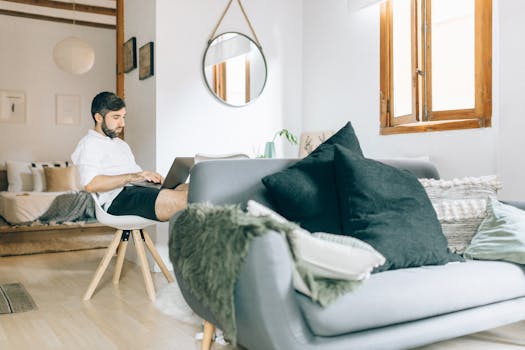
Multi-functional Marvels: Opt for furniture that serves more than one purpose. A storage ottoman, a sofa bed, or a nesting coffee table can maximize utility in smaller spaces.
Clean Lines and Simple Silhouettes: Look for pieces with uncomplicated shapes and smooth surfaces. Avoid ornate detailing or excessive ornamentation.
Invest in Longevity: Choose well-made furniture from durable materials. These pieces will not only withstand the test of time but will also age gracefully, contributing to the timeless appeal of your home.
One thing to keep in mind is the importance of negative space. The empty areas in your room are just as crucial as the filled ones, allowing each piece of furniture to breathe and be appreciated.
The Art of Texture and Natural Materials
To prevent a minimalist interior from feeling cold or sterile, incorporating texture and natural materials is essential. This adds warmth, depth, and a tactile richness that invites you to linger.
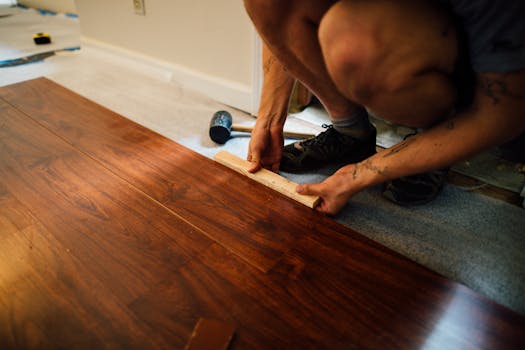
Wood Wonders: Natural wood, whether in furniture, flooring, or decorative accents, brings an inherent warmth and organic feel. Consider lighter woods like oak or maple for a brighter look, or darker woods for a more grounded presence.
Linen and Cotton Comfort: Use natural fabrics for upholstery, curtains, and bedding. Their subtle textures add visual interest and a sense of cozy comfort.
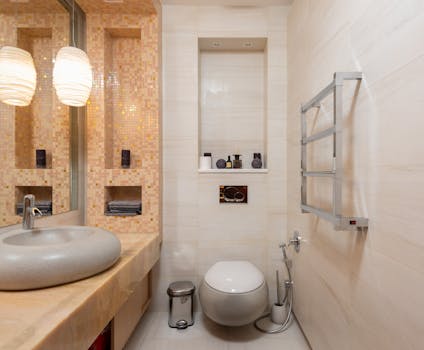
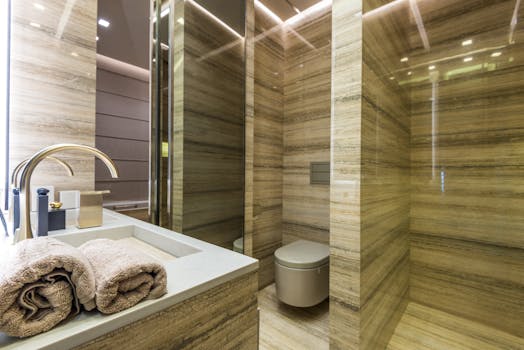
Stone and Ceramics: Introduce elements like marble countertops, slate flooring, or ceramic vases. These materials offer a sophisticated, grounded feel and can add a touch of natural elegance.
It’s interesting to note how the interplay of different textures can create a surprisingly dynamic and inviting atmosphere, even within a limited colour palette.
Lighting: Illuminating Your Sanctuary
The right lighting can transform the ambiance of any room, and in a minimalist home, it’s a crucial element for fostering tranquility. Think about layers of light that can be adjusted to suit different moods and times of day.
Natural Light Maximization: Keep windows unobstructed and use sheer curtains to allow as much natural light to filter in as possible. This is the most beautiful and cost-effective form of illumination.
Ambient Lighting: Soft, diffused overhead lighting provides a general glow. Consider dimmer switches to control the intensity.
Task Lighting: Functional lighting, such as reading lamps next to a chair or under-cabinet lighting in the kitchen, ensures practicality.
Accent Lighting: Use spotlights or picture lights to highlight artwork or architectural features, adding subtle drama and visual interest.
In my experience, poorly lit spaces can feel oppressive. Thoughtful lighting design is, therefore, a cornerstone of a truly inviting minimalist interior.
Bringing the Outdoors In: Biophilic Design
Incorporating elements of nature is a powerful way to enhance the sense of calm and well-being in any home, particularly in a minimalist setting.
Live Plants: A few well-placed houseplants can purify the air, add a touch of life and colour, and bring a sense of organic beauty.
Natural Motifs: Consider artwork or decorative objects that feature natural landscapes, botanical prints, or abstract representations of nature.
Water Features (Subtle): Even a small tabletop fountain can introduce the soothing sound of running water, creating a meditative atmosphere.
This connection to the natural world helps to ground the space and provide a constant reminder of the beauty that exists beyond our four walls.
Conclusion: Curate Your Calm
Ultimately, design ideas for a minimalist home interior are about creating a space that supports your lifestyle and enhances your well-being. It’s a journey of conscious curation, where every element serves a purpose and contributes to an overall sense of peace. Start with decluttering, embrace a serene colour palette, invest in quality, and don’t underestimate the power of texture and light.
Your takeaway: Begin by identifying one* area in your home that feels overwhelmed by clutter and commit to a mindful decluttering session this week. The small victory will be the first step towards a more serene and intentional living space.