
Did you know that the average home renovation generates a significant amount of waste? In a world increasingly conscious of our environmental footprint, the notion of how to renovate your home with reclaimed wood isn’t just a trendy aesthetic choice; it’s a profound statement about sustainability, history, and enduring beauty. But what truly lies beneath the surface when we consider giving old timber new life in our living spaces? It’s a question that invites us to explore beyond the polished veneer of new materials and delve into the rich, textured narratives that only time and prior use can bestow.
This isn’t simply about slapping old planks on a wall. It’s a thoughtful process, an investigative journey into the character of forgotten structures, and a creative reimagining of what “new” can truly mean. So, let’s ask ourselves: are we ready to embrace the imperfections, the stories etched into every grain, and the unique spirit that only reclaimed wood can bring to our homes?
The Allure of the Imperfect: Why Reclaimed Wood Captures Our Imagination
There’s an undeniable magnetism to reclaimed wood. It’s the antithesis of mass-produced uniformity. Each piece carries a history, a silent testament to its former life – perhaps a barn that weathered countless seasons, a factory floor that saw the hum of industry, or a grand old home that hosted generations. This inherent character is what draws so many to it. When you’re considering how to renovate your home with reclaimed wood, you’re not just choosing a material; you’re selecting a story.
This history translates into visual depth. You’ll find nail holes, saw marks, subtle color variations, and a patina that can only be acquired over decades. These aren’t flaws; they are badges of honor, adding a rustic charm and a sense of authenticity that brand-new materials often struggle to replicate. In my experience, homeowners often find that these ‘imperfections’ become the most celebrated features of their renovation projects, sparking conversations and lending a soul to their spaces.
Navigating the Source: Where to Find Your Treasure Trove
The first practical question when exploring how to renovate your home with reclaimed wood is, naturally, where does one find these materials? The options are more varied and accessible than you might imagine.
Architectural Salvage Yards: These are often treasure troves for the discerning renovator. You can find everything from entire beams to flooring, doors, and decorative elements. Visiting in person allows you to hand-select pieces that speak to you.
Specialty Reclaimed Wood Suppliers: Many businesses now focus solely on sourcing, cleaning, and preparing reclaimed wood for sale. They often offer a wider selection and can provide valuable expertise.
Deconstruction Projects: Sometimes, you can partner with companies involved in the deconstruction of old buildings. This can be a fantastic way to acquire materials directly, though it often requires more effort in terms of transport and initial processing.
Online Marketplaces: Platforms like Craigslist, eBay, or specialized online forums can also yield hidden gems, though buyer beware is always a good mantra here.
It’s crucial to approach sourcing with an open mind but also a discerning eye. What are you looking for? A specific type of wood? A certain color palette? The journey of discovery itself is a significant part of the charm.
Beyond Aesthetics: The Sustainability Dividend
When we talk about how to renovate your home with reclaimed wood, it’s impossible to ignore the significant environmental benefits. This is where the material truly shines, offering a tangible way to reduce your home’s ecological footprint.
Reducing Waste: By reusing wood, we divert it from landfills, extending its lifecycle and minimizing the demand for new logging.
Conserving Resources: Harvesting virgin timber is an energy-intensive process. Reclaimed wood bypasses this entirely.
Lower Embodied Energy: The energy used to produce new building materials is considerable. Reclaimed wood already exists; its “embodied energy” is far lower.
This aspect adds a profound layer of satisfaction to any renovation. You’re not just creating a beautiful space; you’re making a responsible choice that benefits the planet. It begs the question: can sustainability and stunning design go hand-in-hand? Absolutely.
The Practicalities: What to Consider Before You Build
Embarking on how to renovate your home with reclaimed wood requires more than just enthusiasm; it demands careful planning and an understanding of the material’s unique characteristics.
#### Preparing Your Timber: A Crucial First Step
The raw beauty of reclaimed wood is undeniable, but raw is often not ready. Thorough preparation is key to ensuring longevity and safety.
Cleaning: This is paramount. Dust, dirt, old finishes, and potential contaminants must be removed. Pressure washing, wire brushing, or gentle sanding are common methods.
De-nailing: Carefully removing any nails, screws, or metal fragments is essential for safety and to protect your tools.
Pest Inspection: It’s wise to ensure the wood isn’t harboring any unwanted guests. Heat-treating or fumigation might be necessary in some cases, though often thorough cleaning suffices.
Moisture Content: While less of an issue for interior applications than new lumber, ensuring the wood is properly acclimated to its new environment can prevent future issues.
#### Structural Integrity and Safety
When using reclaimed wood for structural elements, like beams or flooring, it’s vital to ensure its integrity. Consulting with a structural engineer or experienced builder is advisable to confirm that the wood is sound and can bear the intended loads. For purely decorative applications, the concerns are generally less about load-bearing capacity and more about finishes and how the material is secured.
Bringing it to Life: Creative Applications for Reclaimed Wood
Once you’ve sourced and prepared your wood, the creative possibilities for how to renovate your home with reclaimed wood are truly endless. It can transform any space, adding warmth, character, and a touch of the unexpected.
Feature Walls: Perhaps the most popular application, a reclaimed wood accent wall can become the stunning focal point of a living room, bedroom, or even a bathroom.
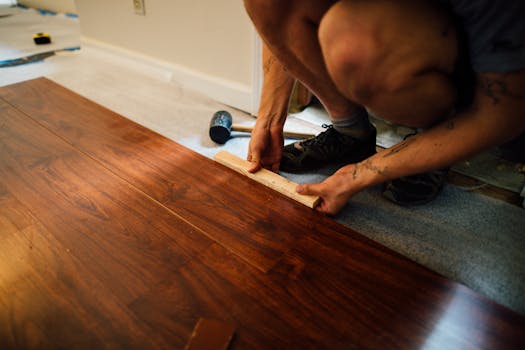
Flooring: Nothing quite matches the character of reclaimed wood floors. They add a sense of history and warmth underfoot that is incredibly inviting.
Ceiling Beams: Exposed reclaimed beams can lend a rustic, architectural charm to any room, evoking the feeling of a cozy lodge or an old farmhouse.
Kitchen Cabinets and Islands: Imagine the unique statement a reclaimed wood kitchen island or cabinet front can make, blending rustic charm with modern functionality.
Furniture and Shelving: From coffee tables to floating shelves, reclaimed wood can be fashioned into bespoke pieces that perfectly suit your style.
* Outdoor Spaces: Patios, pergolas, or fences crafted from reclaimed wood can add a beautiful, weathered charm to your exterior.
It’s fascinating to see how a material destined for the scrap heap can be revitalized into something so integral and beautiful within a modern home. The key is understanding the material and letting its inherent character guide your design choices.
The Enduring Legacy of Salvaged Materials
So, as we ponder how to renovate your home with reclaimed wood, we’re really exploring an ethos. It’s about appreciating the past, celebrating the beauty in imperfection, and making conscious choices that benefit our planet. It’s a journey that rewards patience, creativity, and a willingness to look beyond the obvious. The result? A home that doesn’t just look good, but feels good, imbued with a history and a soul that mass-produced materials simply cannot offer. The next time you consider a renovation, why not ask yourself: what stories could my materials tell?